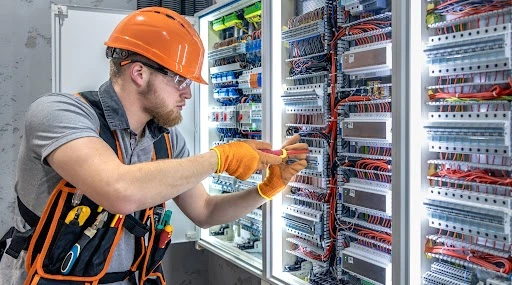
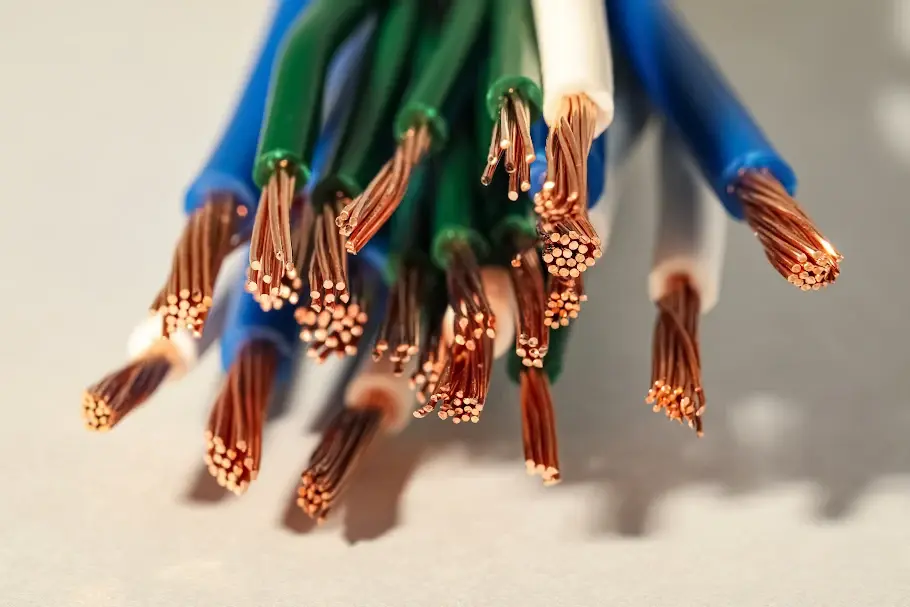
Electrical wiring is essential for every home, office, and industrial setting. From powering your lights and appliances to supporting HVAC systems, charging electric vehicles, or performing electrical alterations, reliable wiring is critical for safety and efficiency. While materials like aluminum and silver are sometimes used, copper is by far the most popular choice for electrical wiring due to its durability, affordability, and excellent performance. In this article by Laurelton Electric, we explain why copper is the dominant material in electrical wiring applications and how it benefits both residential and commercial installations.
Why Copper is Ideal for Electrical Wiring
Copper has been the material of choice for electricians for decades. Its combination of high conductivity, flexibility, and resistance to corrosion makes it perfect for wiring in a wide range of applications. Let’s break down the key reasons copper is preferred for electrical wiring.
1. High Conductivity
The primary reason copper is used for electrical wiring is its excellent electrical conductivity. Copper allows electricity to flow with minimal resistance, ensuring stable power delivery for everything from household outlets to heavy industrial machinery. Only silver conducts better, but copper is far more affordable and practical.
2. Low Energy Loss
Copper wiring ensures that very little energy is lost as electricity travels through circuits. This efficiency not only helps your electrical system perform reliably but also supports safe and effective circuit breaker panel upgrades, saving energy and lowering costs over time.
3. Reduced Overheating Risk
Copper dissipates heat effectively, minimizing the risk of overheating. With a high thermal conductivity of approximately 398 W/m·K, copper wiring remains safe even under continuous electrical loads, making it ideal for homes, offices, and industrial facilities.
4. Corrosion Resistance
Copper resists corrosion in humid or exposed environments. This ensures that electrical wiring lasts longer and maintains safety without frequent replacements, even in challenging climates.
5. Durability and Low Maintenance
Copper wiring can last 50 to 100 years with minimal maintenance. Its strength and resistance to wear make it a worry-free option for both residential and commercial installations.
6. Flexibility and Ductility
Copper wiring is highly flexible, which allows electricians to bend, stretch, and route wires through tight spaces without breaking. This makes it suitable for complex wiring projects and small-scale connections.
7. Cost-Effective
While copper costs more than aluminum, its long lifespan, low maintenance, and superior performance make it a cost-effective choice for electrical wiring. It balances upfront investment with long-term reliability.
Common Applications of Copper Electrical Wiring
Copper wiring is used across multiple industries due to its versatility:
- Residential & Commercial Buildings: Outlets, switches, lighting, and HVAC systems.
- Power Distribution: Underground transmission lines and local distribution networks.
- Telecommunications: Landlines, internet cables, and networking.
- Automotive: Battery cables, alternators, and starters.
- Industrial Settings: Machinery, robotics, and manufacturing equipment.
Conclusion
Copper is the preferred material for electrical wiring because it combines high conductivity, flexibility, corrosion resistance, and long-term durability. Its ability to handle heavy loads safely and efficiently makes it ideal for homes, offices, vehicles, and industrial operations. By choosing copper electrical wiring, you ensure safety, efficiency, and reliability for decades to come.
FAQs
What is the most common size of copper electrical wiring used in homes?
Number 12 American Wire Gauge (AWG) is the most common size for residential wiring.
Is copper wiring recyclable?
Yes. Copper is fully recyclable, making it an eco-friendly option for electrical wiring.
What is the cost of copper wiring?
Copper wiring costs between $3.50 and $10 per foot, depending on type and size.
Why is copper better than aluminum for electrical wiring?
Copper is more durable, conducts electricity better, and is less prone to corrosion than aluminum.
Can copper wiring improve the safety of electrical alterations?
Yes. Copper wiring’s durability, conductivity, and resistance to corrosion make it ideal for safe electrical alterations and upgrades, including circuit breaker panel installations.