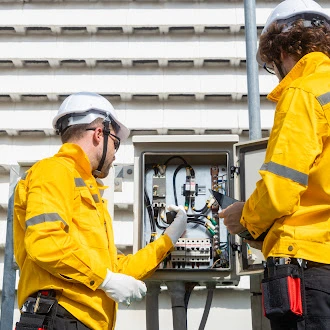
Electrical emergencies can happen without warning. Power outages, burning smells from outlets, exposed wires, or tripped breakers can create serious safety risks for homes and businesses. When these issues occur, homeowners often need a 24/7 emergency electrician to restore power and ensure electrical safety.
The cost of emergency electrical services depends on several factors, including the time of service, the complexity of the problem, the location, and the replacement parts required. In the United States, most emergency electrical repairs range between $250 and $1,200, depending on the severity of the issue.
Understanding typical emergency electrician costs, after-hours service charges, and labor rates can help you prepare for unexpected electrical problems and avoid unnecessary expenses.
Average Cost of Emergency Electrical Services
Emergency electrical service costs usually include a call-out fee, hourly labor charges, and material costs. The total price varies depending on the type of repair and how quickly the electrician needs to respond.
Call-Out Fee
Most electricians charge a call-out fee to cover travel, inspection, and initial diagnostics. This fee applies even if the repair takes only a short amount of time.
| Service Type | Estimated Call-Out Fee |
|---|---|
| Standard Emergency | $100 – $200 |
| After-Hours / Night | $200 – $350 |
| Weekend / Holiday | $250 – $400 |
Emergency visits outside regular business hours often include higher service fees because technicians must respond immediately.
Hourly Labor Rate
After the initial inspection, electricians typically charge hourly labor rates for the repair work. These rates depend on experience, location, and urgency.
| Estimated Hourly Labor Rate | Service Type |
|---|---|
| $150 – $300 | Standard emergency service |
| $200 – $350 | After-hours urgent repairs |
| $250 – $400 | Weekend or holiday service |
Complex repairs involving electrical panels, wiring replacements, or major troubleshooting may require multiple hours of labor.
Evening and Night Surcharges
Electrical problems that occur late at night or outside normal working hours often include additional surcharges.
| Time of Day | Estimated Typical Surcharge |
|---|---|
| Weekday Evening | 25% – 50% higher |
| Night (10 PM – 6 AM) | 50% – 100% higher |
These higher rates reflect the urgency and inconvenience of emergency electrical repairs.
Weekend and Holiday Charges
Emergency electricians often charge higher rates during weekends or public holidays because fewer technicians are available.
| Day | Estimated Typical Fee Increase |
|---|---|
| Saturday / Sunday | 50% – 100% higher |
| Public Holidays | 100% – 150% higher |
Materials and Replacement Parts
In most cases, parts and materials are billed separately from labor. The cost depends on the type of electrical component being replaced.
| Material | Estimated Typical Cost |
|---|---|
| Circuit Breaker | $50 – $200 |
| Wiring / Outlet | $30 – $150 |
| Switch / Fixture | $20 – $100 |
Emergency replacements can increase costs if specialized parts are required immediately.
Total Estimated Emergency Electrical Repair Cost
For most homes, a typical emergency repair lasting 1–2 hours may cost between $250 and $800.
| Service Scope | Estimated Cost |
|---|---|
| 1–2 Hour Emergency Repair | $250 – $800 |
| After-Hours Repair | $400 – $1,000 |
| Weekend / Holiday Emergency | $500 – $1,200 |
Major electrical issues, such as panel replacement or wiring failures, may cost significantly more.
Factors That Affect Emergency Electrical Service Costs
Several important factors influence the total cost of emergency electrical repairs.
Timing of the Service
Emergency calls during evenings, nights, weekends, or holidays typically cost more than standard daytime service due to higher labor demand.
Complexity of the Electrical Problem
Simple repairs like replacing a fuse or resetting a breaker are relatively inexpensive. However, complex issues such as electrical panel damage or major wiring faults require more labor and expertise.
Location and Travel Distance
Electricians working in large metropolitan areas may charge higher service fees compared to those in rural locations. Remote areas may also increase travel charges.
Required Parts and Materials
Replacing damaged wiring, breakers, outlets, or switches adds to the total repair cost. Emergency part replacements may also require expedited sourcing.
Property Type
Commercial or industrial properties often require more advanced electrical systems and specialized equipment, which can increase the overall repair cost compared to residential properties.
How to Reduce Emergency Electrical Repair Costs
While electrical emergencies cannot always be prevented, homeowners can take steps to reduce repair costs:
- Schedule regular electrical inspections
- Replace outdated wiring before problems occur
- Avoid overloading circuits
- Install surge protection devices
- Address small electrical issues early before they become emergencies
Preventive maintenance helps reduce the risk of expensive emergency repairs.
Conclusion
Emergency electrical services are essential for protecting homes and businesses from serious safety hazards. The cost of these services depends on several factors, including timing, labor rates, complexity of the issue, and materials required.
Most emergency electrical repairs in the United States range between $250 and $1,200, depending on the severity of the problem and the time of service. By understanding typical electrician fees and emergency service charges, property owners can prepare for unexpected electrical issues and ensure safe, reliable repairs when they need them most.
Hiring a qualified emergency electrician ensures that electrical problems are fixed quickly while protecting your property and the safety of everyone inside.
FAQs
What is the average cost of an emergency electrician?
The average emergency electrician visit in the United States costs between $250 and $800, depending on the repair complexity and service time.
Are emergency electrician services more expensive at night?
Yes. Nighttime electrical repairs typically cost 50% to 100% more than standard daytime services.
Do electricians charge separately for parts?
Yes. Materials such as circuit breakers, wiring, outlets, and switches are usually billed separately from labor.
How long do emergency electrical repairs take?
Most emergency repairs take 1–2 hours, although complex problems may require several hours or additional visits.
What increases emergency electrical service costs the most?
The biggest cost factors include after-hours service, complex electrical problems, replacement parts, and property size.